
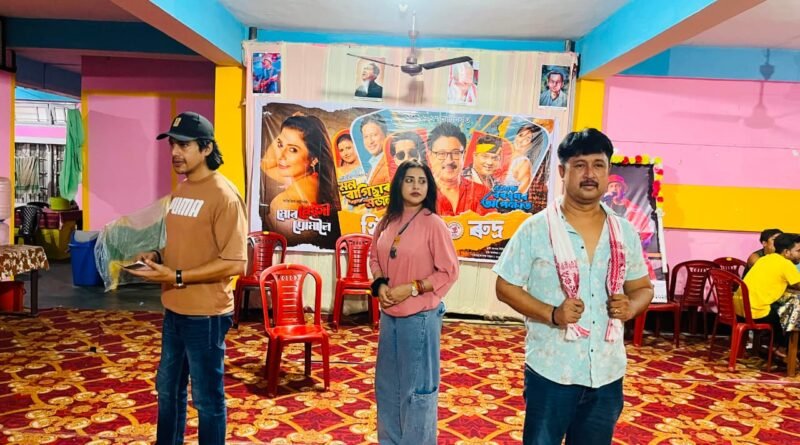
Theatre Rudra Comes to a Halt Midway: A Dream That Ended in Uncertainty for Artists
Dalim Phukan.
Hills Live News, MORIGAON, ASSAM, Oct 12: A theatrical journey that began with dreams, ambitions and promises of entertaining audiences has reportedly come to a standstill midway. Theatre Rudra, associated with Morigaon’s Borangabari and produced by a woman from the area, is now at the centre of serious questions about the future of its artists and crew.
The theatre featured several known performers, including Akash Deep, Muhi Bora, Chiranjit and Sharmistha Chakraborty. For the artists, a theatre season is not merely about performing on stage; it is also about their livelihood, professional commitments and the hope of reaching audiences across Assam.
But when a theatrical journey comes to an abrupt halt, the consequences extend far beyond the stage. What happened to Theatre Rudra? Who will take responsibility for the unfinished journey? And what happens to the artists who placed their trust in the production ? Reports concerning the difficulties faced by theatre personnel have raised questions about alleged unpaid remuneration, accommodation and food arrangements, and the support provided to artists and crew members. These allegations, if substantiated, would raise serious concerns about the management and welfare of those working in the mobile theatre industry. A theatre production depends on the collective efforts of actors, directors, musicians, technicians, backstage workers and many others. Behind every performance are months of preparation, financial commitments and personal sacrifices. When a production collapses midway, those who work behind the scenes can be among the most severely affected. The central question is not simply why Theatre Rudra stopped operating. It is whether adequate planning, financial management and arrangements for the welfare of the artists were in place from the beginning. If artists have been left without their rightful payments or adequate arrangements, they deserve clear answers and a transparent resolution. The production management must explain the circumstances that led to the reported crisis and clarify what steps are being taken to protect the interests of everyone involved. At the same time, the allegations must be verified, and the producer and management should be given a fair opportunity to present their side of the story. A theatre may shut its doors, but the questions surrounding the fate of its artists cannot simply be silenced.
For the audience, Theatre Rudra may have represented entertainment and memorable performances. For the artists, it represented work, commitment and hope. If that journey has indeed ended midway, the people who invested their time, talent and trust deserve to know why. The future of Theatre Rudra remains uncertain. Until the management provides a clear explanation, one question will continue to haunt the theatre fraternity:
When the curtain falls before the journey is complete, who takes responsibility for the artists left behind?